
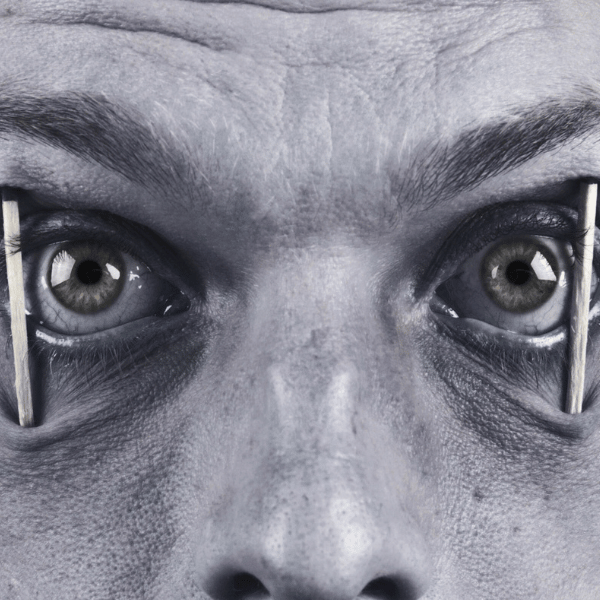
For a long time, I treated sleep as optional.
Something I could “catch up on” later.
Working nights as an SEO Specialist for an insurance tech company and being a full-time, hands-on dad, it became normal for me to sacrifice sleep in exchange for deadlines, rankings, reports, and meetings.
But the older I get, the clearer it becomes: sleep is not a luxury—it’s a biological requirement.
Why Sleep Actually Matters
Sleep is when your body and brain do their most important maintenance work. You’re not just “resting.” You’re repairing, resetting, and rebalancing systems that keep you alive and functional.
Some of the real benefits of proper sleep include:
- Improved brain function – Better focus, memory, and decision-making
- Hormone regulation – Controls hunger, stress, and metabolism
- Stronger immune system – You get sick less often
- Better mood & emotional control – Less irritability, anxiety, and burnout
- Physical recovery – Muscles repair and inflammation drops
For people like me who work nights, this matters even more. When sleep quality drops, productivity drops with it—no matter how much coffee you drink.
How Much Sleep Should You Really Get?
Here’s a simple breakdown based on age and lifestyle:
| Group | Recommended Sleep |
| Adults (18–64) | 7–9 hours |
| Adults (65+) | 7–8 hours |
| Night shift workers | 7–9 hours (non-negotiable) |
| Teens | 8–10 hours |
The key takeaway? Night work doesn’t reduce your sleep requirement. It just makes it harder to achieve.
What Happens When You Don’t Get Enough Sleep
Lack of sleep isn’t just about feeling tired. Chronic sleep deprivation has very real, very serious consequences.
Short-term effects:
- Poor concentration and slower reaction times
- Increased mistakes and accidents
- Irritability and mood swings
Long-term health risks:
- Heart disease and high blood pressure
- Type 2 diabetes
- Weight gain and obesity
- Depression and anxiety
- Weakened immune system
- Higher risk of burnout and cognitive decline
Studies consistently show that sleeping less than 6 hours a night increases the risk of serious illness. For night workers, irregular sleep schedules make these risks even higher if you’re not intentional about rest.
Real-World Impact (Especially for Night Workers)
When I’m sleep-deprived, I don’t just feel tired—I:
- Miss details in keyword research
- Make slower decisions
- Feel more stressed by minor problems
- Rely too much on caffeine and sugar
Good sleep doesn’t just protect your health—it directly improves work performance. Better sleep means clearer thinking, better strategy, and more consistent output.
Sleep is one of the few health habits that affects everything: your weight, your heart, your brain, your mood, and even your income.
If you work nights like I do, protecting your sleep is not optional—it’s survival.
Darken your room, set boundaries, keep a schedule, and treat sleep with the same importance you treat work deadlines.
Because no matter how productive you think you are without sleep, your body keeps the score.
… hey… you need to snore to keep score hehehe hahah hahahaha!

I need to get some sleep now…
