Stops you from bleeding to death.
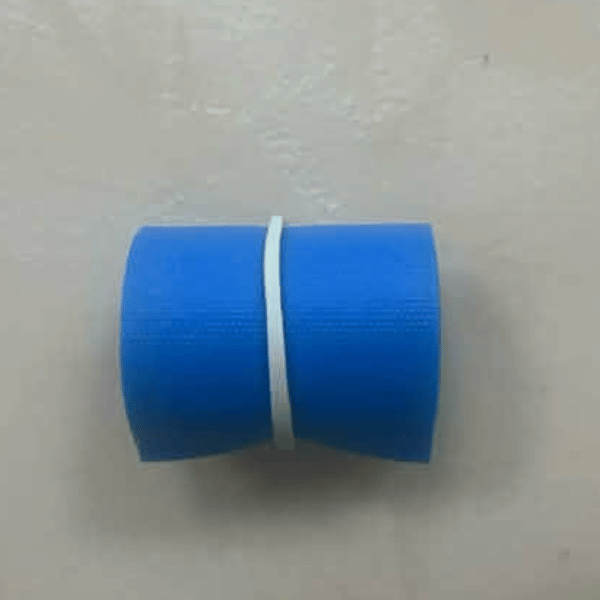
A tourniquet is a device made from nylon, rubber, or cloth that you wrap tightly around an arm or leg to stop severe, life-threatening bleeding as a first response method.
A person can bleed out from a severe limb wound in less than 5 minutes. The Philippine Red Cross includes a rubber tourniquet in their Personal First Aid and Survival Kit.
The STOP THE BLEED program (internationally recognized) teaches civilians how to apply one correctly. Just make sure you learn how to use it properly. It is that important.
What it’s used for:
- Stop severe, life-threatening bleeding from an arm or leg wound
- Used by military, first responders, and trained civilians globally
- Applied 2 to 3 inches above the wound, between the wound and the heart
- Can be used on conscious or unconscious patients
- Also used in some surgical procedures and post-operative care
Why it belongs in your emergency kit:
- A person can bleed out in under 5 minutes… time is critical
- Especially relevant for road accidents, construction injuries, and disasters
- The Philippine Red Cross includes a rubber tourniquet in their standard survival kit
- STOP THE BLEED training (available in the Philippines) teaches proper application
- Apply a second tourniquet above the first if bleeding doesn’t stop with the initial one
| PROS | CONS |
| Can stop life-threatening bleeding fast | Must NOT be removed once applied… only a medical professional should take it off |
| Works on conscious or unconscious patients | Incorrect placement can cause nerve or tissue damage |
| Available in commercial or improvised forms | Makeshift tourniquets are less effective and potentially harmful |
| Included in Philippine Red Cross survival kits | Requires proper training to use correctly under pressure |
| Doubles as a pressure bandage for less severe wounds (SWAT-T types) | Only for limb injuries… not suitable for torso or neck wounds |
