
Small. Precise.
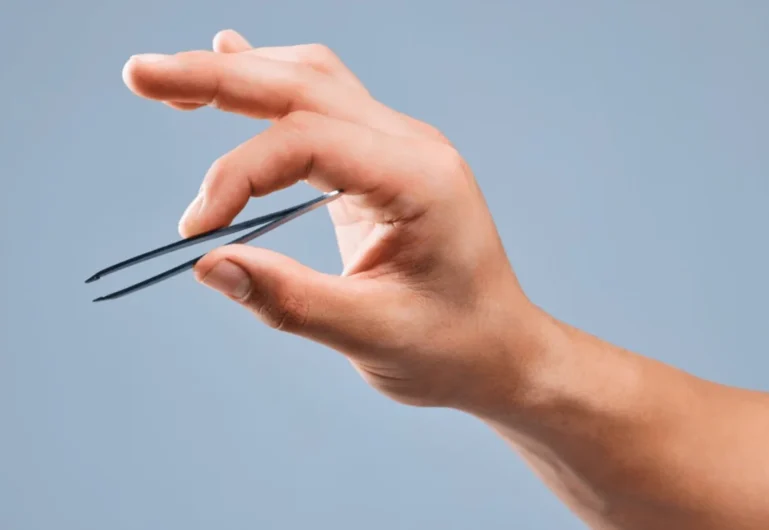
Tweezers (also called forceps in a medical context) are a pincer-like tool used to grip, remove, or manipulate small objects. In a first aid kit, their primary job is removing splinters, thorns, debris, ticks, or small embedded objects from skin.
The Philippine Red Cross Personal First Aid and Survival Kit includes a plastic tweezer as standard.
For better performance… a metal tweezer with pointed or slanted tips is more precise and durable.
Here in Davao where outdoor work, farm activities, construction, and trekking around Mt. Apo or Malagos are common… splinters, thorns, and debris in the skin happen more often than people realize.
Leaving a foreign object in a wound is one of the most common causes of wound infection. Tweezers let you remove it properly.
What it’s used for:
- Remove splinters, thorns, small shards of glass, or debris embedded in skin
- Remove ticks carefully without crushing the body (important to prevent disease transmission)
- Hold a dressing or gauze in place while applying tape
- Manipulate small items in the first aid kit when gloves are worn
- Remove clothing fibers or debris from a wound before cleaning it
Why it belongs in your emergency kit:
- A foreign object left in a wound is a primary cause of infection
- Works for removing ticks, which can transmit disease if not removed properly
- Essential for dealing with splinter and thorn injuries common in Davao outdoor environments
- Small and lightweight… takes up almost no space in any kit
- Can be cleaned and reused after sterilizing with alcohol
Pros and Cons:
| PROS | CONS |
| Reusable after cleaning with alcohol | Plastic tweezers (like those in basic kits) are less precise and break easily |
| Precise tool for removing embedded objects from wounds | Must be sterilized with alcohol before and after every use |
| Works for splinters, ticks, thorns, debris, and more | Small… easy to lose in a kit bag |
| Lightweight and inexpensive | Should NOT be used to remove deeply embedded objects (that needs medical attention) |
| Available in metal versions that are far more durable than plastic | Cannot be used effectively with thick gloves on |

1 thought on “Tweezers”