Pandemic’s over but this one still belongs in your kit.
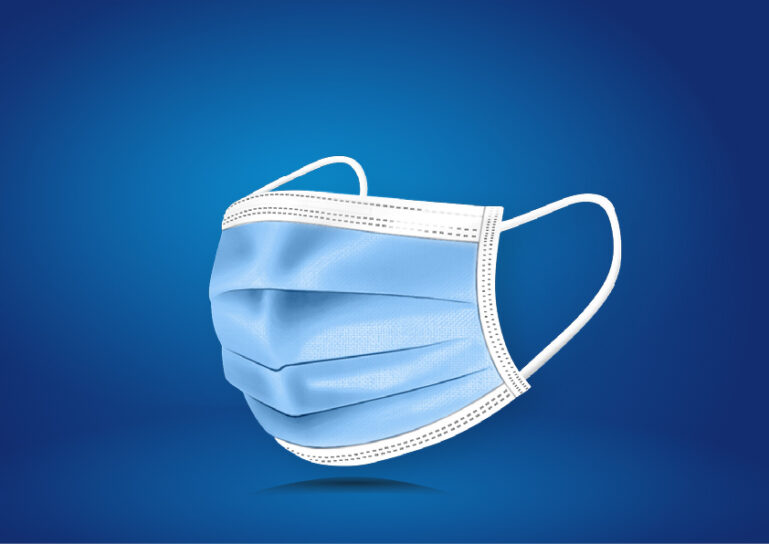
A face mask (surgical mask or medical-grade face mask) is a disposable, loose-fitting protective device worn over the nose and mouth to reduce the transmission of respiratory droplets, airborne particles, and pathogens.
After the COVID-19 pandemic… every Filipino knows what a face mask is and how to wear one. But it’s easy to forget why it still belongs in your kit.
According to The Philippine Red Cross first aid guidelines and UNICEF Philippines emergency preparedness guides… face masks are a recommended Go Bag item.
In emergency evacuation centers, which can quickly become crowded and poorly ventilated, infection spreads fast. A mask reduces that risk.
Face masks also protect you from inhaling dust, debris, smoke, and chemical fumes during disaster response.
In the aftermath of earthquakes or building collapses, airborne concrete dust and debris can cause serious respiratory damage. A simple surgical mask provides a meaningful level of protection.
What it’s used for:
- Reduce transmission of respiratory infections in crowded evacuation centers
- Protect against dust, debris, and smoke during disaster response
- Wear when providing first aid to reduce risk of infection for both parties
- Required in Philippine healthcare and clinical settings by DOH guidelines
- Protect against airborne particles in construction and industrial environments
Why it belongs in your emergency kit:
- Evacuation centers can become overcrowded and infectious disease spreads quickly without masks
- Post-earthquake dust and debris inhalation can cause serious respiratory injury
- Wearing a mask during first aid protects the responder from the patient’s respiratory droplets
- DOH established mask use as standard emergency health practice
- Lightweight and cheap… include at least 5 to 10 in your Go Bag
Pros and Cons:
| PROS | CONS |
| Lightweight and very compact for kit storage | Surgical masks do not filter fine particles like N95 respirators do |
| Inexpensive in bulk… widely available across the Philippines | Disposable… need multiple pieces in your kit |
| Reduces respiratory infection risk in evacuation centers | Can cause discomfort in hot humid Philippine conditions during extended use |
| Protects against dust and debris inhalation in post-disaster environments | Does not replace proper respiratory protection in heavy smoke or chemical environments |
| Familiar and easy to use for all Filipinos after the COVID-19 experience | Expiry dates apply… check and replace regularly |
