I remember watching TV as a kid… and there was this scene where someone collapsed on the floor and this guy just rushed over, started pushing on the person’s chest, giving them breaths, and then… the person woke up.
I thought, wow, that’s like a superpower.
I was maybe nine or ten years old and I told myself, “I want to be able to do that someday.”
Like a superhero.
That was my very childish dream.
Funny how life actually made it come true.
That was my introduction to CPR.
So… what is CPR?
CPR stands for Cardiopulmonary Resuscitation.
Big word, but simple idea.
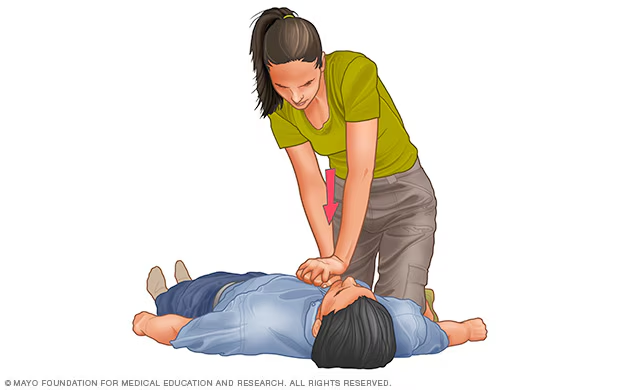
It’s an emergency procedure you do when someone’s heart stops beating or they stop breathing. It involves two main things: chest compressions and rescue breaths (mouth-to-mouth).
CPR is used to preserve brain function and maintain blood circulation until the person can breathe and their heart can beat on their own again. It is recommended for people who are unresponsive and not breathing normally.
Here’s the thing that might surprise you… CPR does not actually restart the heart.
What it does is keep oxygenated blood flowing to the brain and vital organs to buy time until medical help arrives or a defibrillator (AED) is used.
Think of it as keeping the engine barely running so it doesn’t completely die before the mechanic gets there.
The brain can suffer damage after just four minutes without blood flow, and irreversible damage can happen after around seven minutes.
That’s why time is everything.
Honestly, I didn’t know much about the history of CPR… and CPR as we know it today was not always a thing.
People have been trying to revive the unconscious for centuries… but they didn’t always get it right.
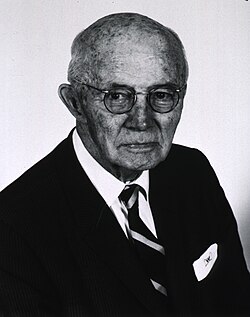
The man most people call the “father of CPR” is Dr. Peter Safar (1924–2003), an Austrian anesthesiologist.
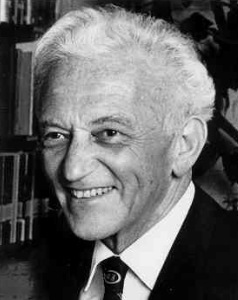
He developed the famous A-B-C system: Airway, Breathing, and Circulation… and even published a book called ABC of Resuscitation in 1957.
He also helped inspire the creation of the very first CPR training mannequin, “Resusci Anne” (yes, the CPR dummy we’ve all seen).
That one training tool alone has helped teach CPR to over 400 million people worldwide.
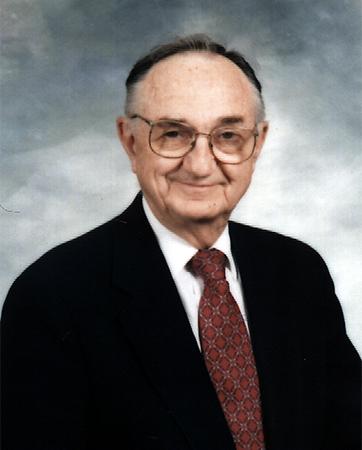
Modern CPR as a combined technique was developed in 1960 by three physicians: Dr. James Jude, Dr. Peter Safar, and Dr. William Kouwenhoven. They put it all together… chest compressions plus rescue breaths.
And that changed everything.
How I First Learned CPR
My journey with CPR didn’t start in a classroom.
It started with my dad.
We sell medical and rescue equipment, and my dad thought it was only right that we actually know how to use the stuff we’re selling. So he taught me the basics.
I think I was 18 or 19 at the time.
Looking back… I wish I had learned it earlier.
Much earlier.
And I think kids here in Davao, and all over the Philippines, should be learning this in school.
Not just a topic in Health class but actual, hands-on training.
My second brush with official CPR training came when I was working as a manager in a call center. We were selected to attend a Basic Life Support (BLS) training because part of workplace emergency procedures requires having someone on site who knows what to do in an emergency.
And then there’s my wife… She’s a doctor.
She used to be part of the pioneer team of physicians spearheading the emergency medicine program here in Davao City.
She wasn’t able to finish her specialization as an emergency medicine specialist, life happened… but her passion for it rubbed off on me.
With the nature of her work, I felt it was only responsible for me to learn BLS properly.
Not just know about it, but actually know how to do it.
Why Everyone Should Learn CPR
Every Filipino family should have at least one person who knows CPR.
Especially if you have elderly family members, or anyone with a heart condition, history of stroke, or any other health issue that might put them at risk.
Here in Davao, we’re lucky to have good hospitals and emergency services.
But then there’s also bad drivers and traffic.
Distance from home to a medical facility.
Help doesn’t always arrive in two minutes.
You might be the only one there.
And in those critical minutes, knowing CPR can be the difference between someone living and someone not making it.
Learning CPR is like gaining a superpower.
You are now someone who has the potential to save a life, even if you’re not a doctor, a nurse, or any kind of medical practitioner.
How to Do CPR Correctly
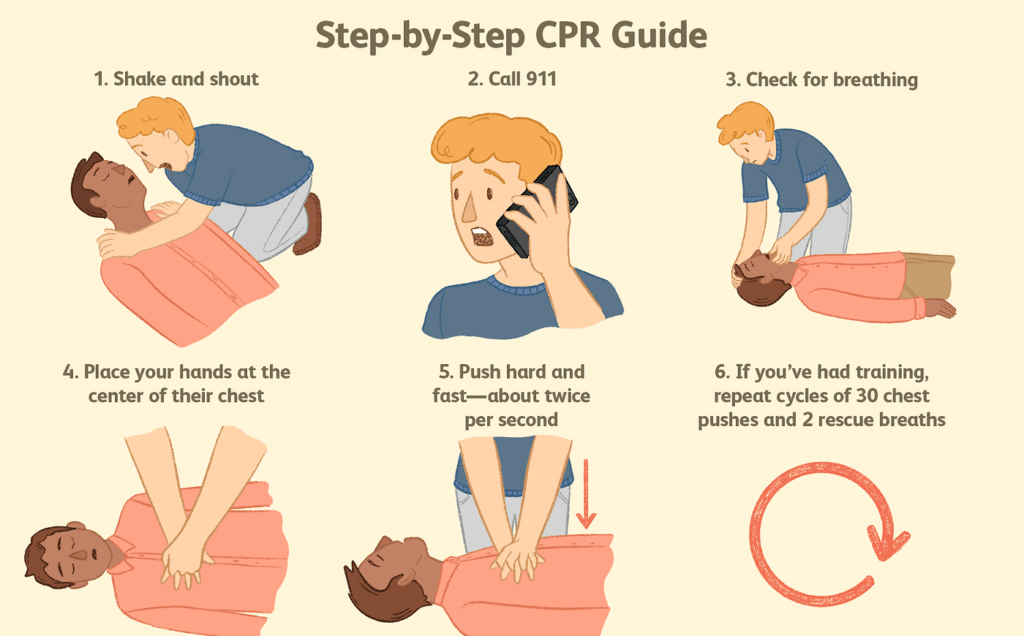
Here’s the step-by-step guide based on guidelines from the Philippine Red Cross:
Step 1: Check the Scene
Make sure the area is safe. Don’t rush in if there’s danger (traffic, fire, electricity).
Step 2: Check the Person
Tap their shoulders firmly and shout, “Are you okay?” If there’s no response and they’re not breathing normally…
Step 3: Call for Help
Shout for someone to call 911 (or 143 for Philippine Red Cross Emergency Hotline). If you’re alone, call first, then start CPR.
Step 4: Position the Person
Lay them flat on their back on a firm surface. Kneel beside them.
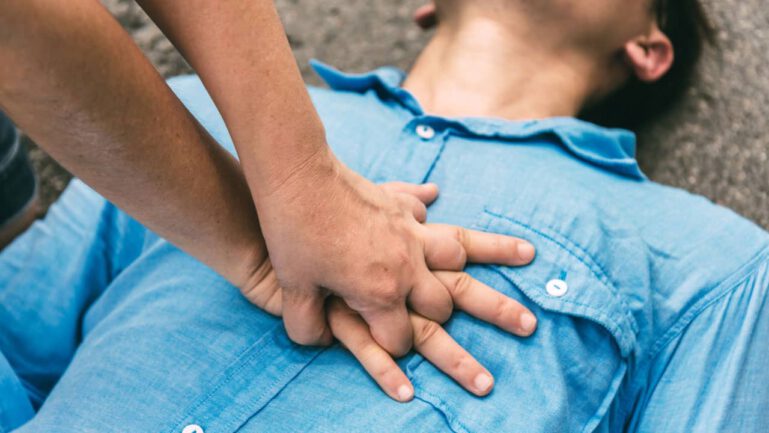
Step 5: Chest Compressions
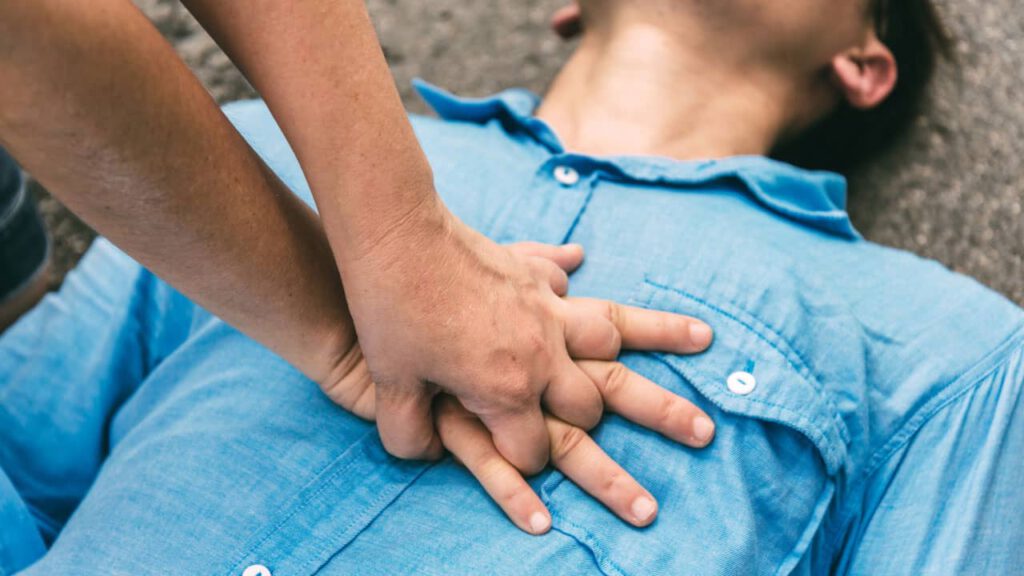
- Place the heel of one hand on the center of the chest (lower half of the breastbone)
- Place your other hand on top, fingers interlocked
- Keep your arms straight, lean over the person
- Push hard and fast — at least 5 cm (2 inches) deep for adults
- Compression rate: 100 to 120 compressions per minute (this is roughly the beat of the song Stayin’ Alive by the Bee Gees — no joke, that’s actually taught in classes. Another tune that comes to mind is my wife’s favorite which is the Imperial March from Star Wars)
- Allow the chest to fully recoil between compressions
Step 6: Rescue Breaths (30:2 Ratio) (note: No Longer Recommended)
After 30 compressions, give 2 rescue breaths:
- Tilt the head back gently to open the airway
- Pinch the nose shut
- Seal your mouth over theirs
- Give a breath for about 1 second, enough to make the chest rise
- Repeat once more (2 breaths total)
Then go back to 30 compressions. Keep repeating the cycle.
Note: If you are not trained or uncomfortable giving rescue breaths, hands-only CPR (compression-only) is still very effective for adults. Keep pushing until help arrives.
For Children (1–8 years old)
Use one or two hands and compress about 5 cm deep. Ratio is still 30:2.
For Infants (under 1 year)
Use two fingers on the center of the chest. Compress about 4 cm deep. Ratio is 30:2 as well.
According to AHA guidelines, for children the rescue breaths are more important than for adults, because cardiac arrest in kids often starts from breathing problems, not the heart.
Step 7: Use an AED if Available
An Automated External Defibrillator (AED) is a device that can deliver an electric shock to restore a normal heart rhythm. It’s designed to be used by ordinary people, not just medical professionals. If one is nearby, use it as soon as possible while continuing CPR.
CPR for Adults vs Children vs Infants — Quick Reference
| CPR | Adult | Child (1–8 yrs) | Infant (under 1 yr) |
| Hand Position | Two hands, center of chest | One or two hands | Two fingers |
| Compression Depth | 5–6 cm | About 5 cm | About 4 cm |
| Rate | 100–120/min | 100–120/min | 100–120/min |
| Ratio | 30:2 | 30:2 | 30:2 |
| Rescue Breaths | Optional if untrained | Important | Important |
CPR Training in the Philippines
The Philippine Red Cross offers several CPR and Basic Life Support courses here in the country. Here are some of the programs they offer:
- Standard First Aid and Basic Life Support with AED — 32 hours, for workplaces and emergency situations, recognized by DOLE
- Occupational First Aid and BLS with AED — 16 hours, for workplace safety compliance
- Emergency First Aid — 8 hours, for individuals aged 13 and above
- Junior First Aid — 6 hours, for elementary students aged 10 to 12
- Basic Life Support CPR — 8 hours, for first responders and healthcare workers
- Basic Life Support CPR for Lay Rescuers — 8 hours, for ordinary people who want to learn to save lives
- Basic Life Support Child and Infant CPR — 8 hours, for parents, teachers, guardians, and caregivers
You can contact the Philippine Red Cross at their emergency hotline: 143, or reach them through their trunkline at +63 2 8790 2300. They also offer corporate training programs for companies who want to train their employees.
Learning CPR Is Not a One-Time Thing
Learning CPR once is not enough.
Guidelines and best practices change.
Protocols are updated every few years based on new research. What you learned five years ago might be slightly different from what’s recommended today.
I actually own a CPR dummy that I practice on every now and then.
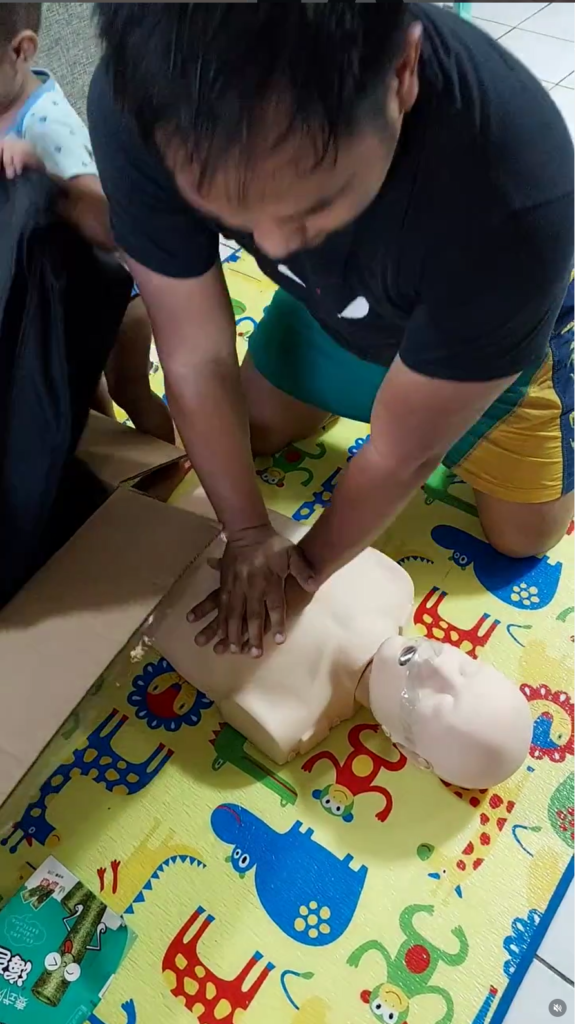
It sounds a bit extra, I know… but muscle memory matters.
When you’re in a real emergency, your hands need to know what to do even if your brain is panicking. Practice makes it second nature.
So please, if you’ve taken a CPR class before, consider refreshing your training.
The Philippine Red Cross offers recertification options.
Take advantage of that.
Pros and Cons of Knowing CPR
| Pros | Cons |
| Can save a life in an emergency | Requires regular practice and recertification |
| Empowers ordinary people to act | Compressions can cause rib bruising or fractures (but this is acceptable in an emergency) |
| Required in many workplaces | May cause anxiety if you’re alone in a high-pressure situation |
| Builds confidence in emergencies | Without training, improper technique can be ineffective |
| Skills apply to adults, children, and infants | CPR alone cannot restart the heart without eventual medical help or AED |
| Recognized and valued across professions | Training courses require time and sometimes a fee |
The pros far, far outweigh the cons. A bruised rib on a living person is so much better than the alternative.
I genuinely recommend that everyone learn CPR. Not just people who work in hospitals or as first responders.
Everyone.
You.
Your spouse.
Your parents.
Your kids once they’re old enough.
Your helper.
Your officemates.
You never know when someone might need help and you’re the person standing closest to them.
A good CPR dummy is one of the most practical things you can invest in for your home. Practice on it regularly, and when the time comes, your hands will already know what to do.
Want One? Get It Here: jectramed@gmail.com or Call Alex Canonigo
CPR Training Mannequin / Dummy
Face Shield / CPR Mask
AED (Automated External Defibrillator)
First Aid Kit
CPR is not just a skill. It’s a responsibility. Emergencies can happen anywhere, having that knowledge in your hands quite literally means you have the power to save a life.
Don’t wait.
Learn CPR.
Today.
Trivia:
Did you know that we have Samboy Lim to thank for having increased awareness about CPR here in the Philippines?
Samboy Lim was an early childhood hero of mine because of his on-court performance. Like a literal superman floating over the others. Plus that time I already took an early interest in body building and Samboy Lim wasn’t your typical thin basketball player.
He was muscle-bound.
Like Superman.
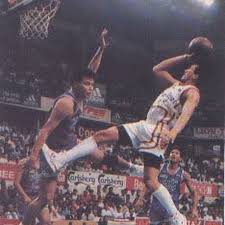
With a mustache.
Anyway, years after he had retired from basketball, during a PBA Legends game, he suddenly collapsed and slipped into a coma.
This incident became instrumental in the passage of the RA 10871 or “The Basic Life Support Training in Schools Act” or better known as the Samboy Lim Law.
So whaddayaknow… what happened to him paved the way for CPR education nationwide… I bet that saved countless lives after.
Samboy Lim.
The Skywalker.
Superman.
Still for me the real MVP.
Ok… that’s it.
Don’t wait.
Learn CPR.
Today.
