
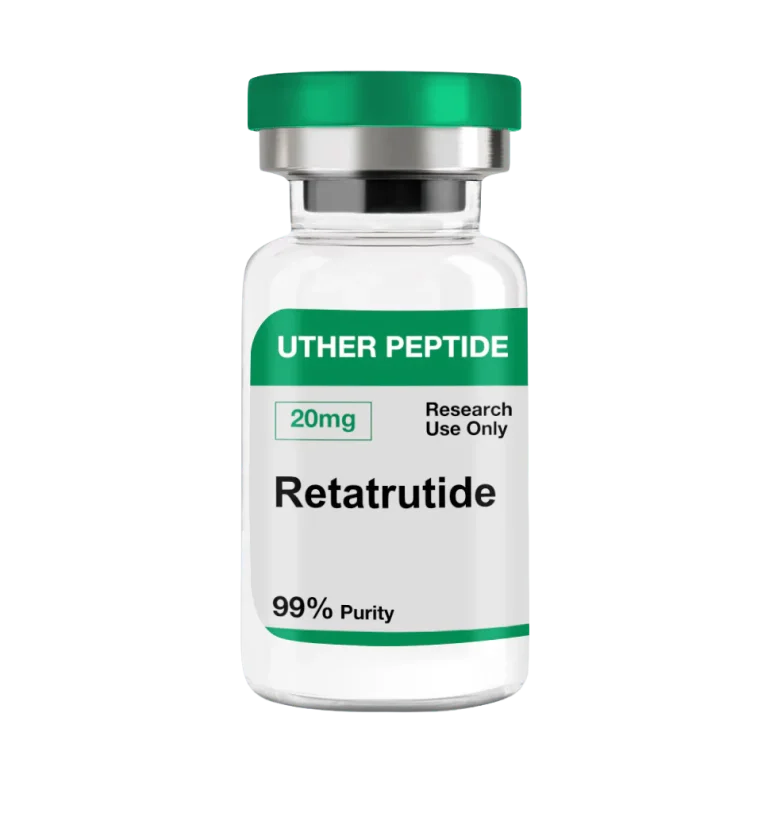
What It Is, Why I Agreed to Try It, and What Happened on Night One
| IMPORTANT: I am married to a doctor. This is a personally supervised journey. Retatrutide is not FDA-approved and is not commercially available. Any product sold outside of official clinical trials claiming to be retatrutide is unverified and may pose serious health risks. Do not attempt to replicate this without proper medical supervision. |
Why I Am Writing This
When I started this blog, the goal was simple: document a weight loss program.
100 jumping jacks a day.
100 squats.
Almost 5km of walking.
I was doing all of it consistently… and my body at 47 years old was doing what bodies at 47 years old tend to do, which is not much.
My metabolism is nowhere near where it used to be when I was younger.
And for a long time, I’ve been against injectables for weight management.
I thought it was cheating.
That changed when I first tried Ozempic with my wife and we did see some improvements. We stopped it though because it was too expensive to continue using.
And I believe it’s been exactly a year since we stopped using it. Or two?
Anyway…
After a lot of conversation with my wife (who is a doctor and the one who administered the injection), we agreed to try retatrutide together.
Both of us.
Six weeks.
Let’s see where this goes.
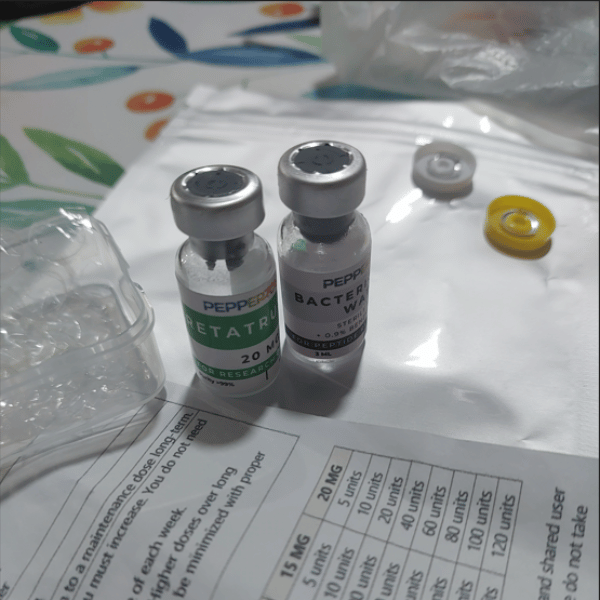
What Is Retatrutide?
Retatrutide is an investigational medication being developed by Eli Lilly for obesity and type 2 diabetes. It is what researchers call a ‘triple agonist’ — meaning it mimics three hormones simultaneously: GLP-1 (which supresses appetite and slows digestion), GIP (which helps regulate insulin and metabolism), and Glucagon (which promotes fat burning and energy expenditure). No currently approved weight loss drug targets all three at once.
That is what makes it different from Ozempic (semaglutide, a GLP-1 agonist) and even Zepbound or Mounjaro (tirzepatide, a dual GLP-1 and GIP agonist).
It is not yet approved by the FDA or any regulatory body.
It is currently in Phase 3 clinical trials under the TRIUMPH study program.
Regulatory approval is not anticipated before 2027 at the earliest. Any version sold outside of official Eli Lilly clinical trials is unverified. I want to be very clear about that.
| Hormone Targeted | What It Does | Effect on Weight |
| GLP-1 | Suppresses appetite, slows stomach emptying | Reduces food intake, creates fullness faster |
| GIP | Regulates insulin, affects fat storage | Reduces appetite, improves metabolic response |
| Glucagon | Promotes fat breakdown, boosts energy use | Increases calorie burn beyond appetite suppression |
What the Clinical Trials Show
Phase 2 trials published in the New England Journal of Medicine showed participants on the highest dose losing up to 24% of body weight over 48 weeks — results that exceed what semaglutide or tirzepatide produced in comparable trials.
Phase 3 TRIUMPH trials are ongoing with approximately 2,300 participants enrolled in TRIUMPH-1 alone, and early data suggests weight reduction in the range of 28% to 30% at maximum dose over 80 weeks.
Side effects are primarily gastrointestinal — nausea, diarrhea, vomiting, constipation — and are directly dose-related. They tend to be most pronounced during dose escalation, which is why starting at a lower dose and increasing gradually is the standard clinical approach.
Less common effects observed in trials include temporary liver enzyme elevation and a mild increase in heart rate.
Night One
My wife injected 2mg into me at the 1AM position above the navel (that is injection site terminology, referencing a clock position, not the hour — though it was late).
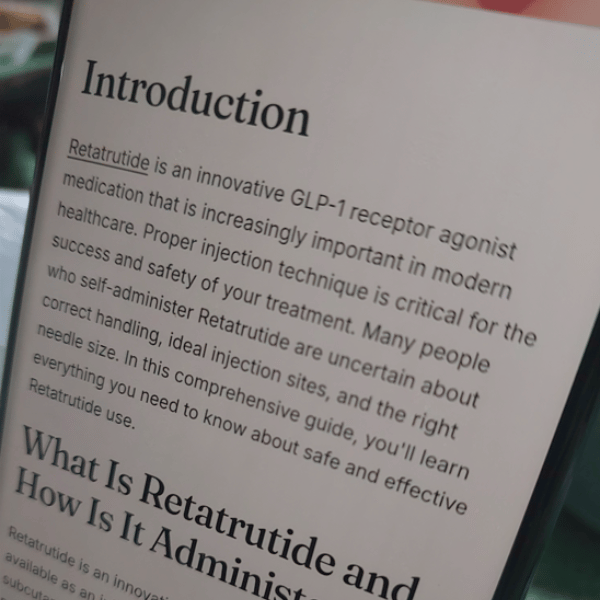
We used an insulin syringe with a gauge 28 needle.
For reference, the Ozempic pen uses a gauge 43 needle. The higher the gauge number, the thinner the needle.
Gauge 28 is noticeably thicker than gauge 43.
I felt it more than I expected. Not unbeareable, but definitely not the near-painless experience of the Ozempic pen.
That part is worth knowing if you are squeamish.
No side effects as of writing this. We will see what the next few days bring. I will be honest about all of it — whatever happens.
My Take Away
- Retatrutide is investigational — not FDA-approved, not commercially available as of this writing
- Any product sold online or locally claiming to be retatrutide is unverified and potentially dangerous — this is not a minor caveat
- This is a medically supervised journey — I have a doctor at home; I am not doing this alone or blindly
- This is not a template — your body, your risks, and your health history are not mine
- I will document each week honestly — the side effects, the results, all of it, whatever they turn out to be
Each one of us is unique. What is appropriate for someone with direct medical supervision at home is not appropriate without it. Please do not use this journal as a reason to try something without a doctor’s guidance.
I am not recommending this to you. I want to say that plainly and directly. I am documenting my own journey, in my own circumstances, with my own medical support.
What I am recommending is this: if you are struggling with weight and lifestyle changes alone are not producing results, have an honest conversation with a licensed doctor about what options exist for you.
Not a wellness account.
Not a Facebook group.
A real physician who knows your full health history.
The science behind triple-agonist medications is genuinely exciting — but science without proper medical oversight is just risk.
We’ll see what happens, week two update coming.
DISCLAIMER
This article documents a personal weight loss journey and is for informational purposes only. It does not constitute medical advice and should not be used as a guide or template for personal medical decisions. The writer is not a doctor. Retatrutide is an investigational drug not approved by the FDA or the Philippine FDA. Products sold outside of official clinical trials claiming to be retatrutide are unverified and potentially dangerous. Please consult a licensed physician before beginning any weight loss medication program.
