
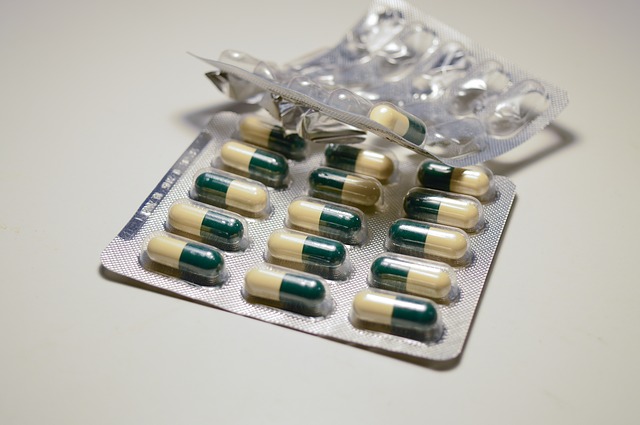
If you grew up in the Philippines, there is a very good chance that mefenamic acid was the answer to every pain in your household.
Toothache?
Mefenamic.
Dysmenorrhea (painful menstrual cramps)?
Mefenamic.
Headache, body pain, post-procedure soreness?
Mefenamic.
I have reached for it myself more times than I can count – for when I had my wisdom teeth removed and during my recovery from a vasectomy, where the post-operative soreness was managed almost entirely with mefenamic acid and some very careful sitting.
It is effective.
That is not in question.
But a lot of Filipinos treat it the way we treat most things that work — we use it freely, skip the label, and assume that if it is sold over the counter it cannot be doing much harm.
That assumption is wroth examining.
What is Mefenamic Acid?
Mefenamic acid belongs to a class of drugs called NSAIDs — non-steroidal anti-inflammatory drugs (meaning they reduce inflammation and pain without steroids).
It works by blocking enzymes called COX-1 and COX-2 (cyclooxygenase enzymes) that the body uses to produce prostaglandins — the chemical signals that trigger pain, fever, and inflammation.
Block the signal, reduce the pain.
That is the mechanism in layman’s terms.
It is effective for mild to moderate pain — dental pain, menstrual cramps, post-surgical discomfort, muscle aches, and headaches.
In the Philippines it is sold under various brand names in almost all pharmacies for as little as PHP 8 to PHP 15 per 500mg capsule. It is fast-acting and works well for short-term use. The problem begins when short-term becomes a habit.
When to Use It and When Not To
| Appropriate Use | When to Stop or Avoid |
| Short-term pain relief — up to 7 days maximum | Using it daily or for weeks at a time |
| Dental pain while waiting for a dentist appointment | If you have a history of stomach ulcers or gastritis |
| Post-procedure soreness under medical guidance | If you have kidney disease — NSAIDs reduce blood flow to the kidneys |
| Menstrual cramps in otherwise healthy adults | If you are pregnant, especially in the third trimester |
| Fever and mild inflammatory pain | If you are taking blood thinners or other NSAIDs simultaneously |
Dangerous Side Effects of Using Mefenamic Acid
This is the part most Filipinos skip because mefenamic acid feels harmless — it is cheap, it is everywhere, and it works.
But NSAIDs as a class are among the most commonly misused medications globally, and mefenamic acid is no exception.
Prolonged or frequent use irritates the stomach lining and can cause gastritis (stomach inflammation) or peptic ulcers (open sores in the stomach or small intestine) — sometimes without obvious warning symptoms until the damage is already done.
It also stresses the kidneys over time, particularly in people who are already hypertensive or diabetic, which describes a significant portion of Filipino adults over 40.
Always take it with food.
Never take it on an empty stomach.
Do not exceed 500mg three times daily. Do not use it for more than seven consecutive days without medical advice.
And if you find yourself reaching for it regularly — more than once or twice a week — that pattern itself is a signal worth bringing to a doctor. The pain it is masking may need addressing at the source, not just the symptom.
Other OTC Options Worth Knowing
- Paracetamol — gentler on the stomach, safer for longer use, preferred for fever and mild pain; does not have the anti-inflammatory effect of mefenamic acid
- Ibuprofen — also an NSAID but generally better tolerated than mefenamic acid for most people; good for inflammation-related pain
- Celecoxib — a COX-2 selective NSAID with less stomach irritation; requires prescription; better for people with gastric sensitivity who need an anti-inflammatory
Mefenamic acid is a legitimate and effective medication for short-term pain.
I am not telling you to stop using it — I use it myself and will likely use it again.
What I am saying is use it correctly: with food, at the right dose, for no longer than necessary, and not as a substitute for actually addressing the underlying problem.
A toothache managed with mefenamic acid still needs a dentist.
Post-vasectomy pain resolves on its own in days with proper rest.
The pill buys you time and comfort — it does not fix anything by itself.
If your pain is recurring or severe, please see a real doctor rather than medicating through it indefinitely.
DISCLAIMER
This article is for informational purposes only and does not constitute medical advice. Please consult a licensed physician before starting or changing any medication.
